Amur tiger


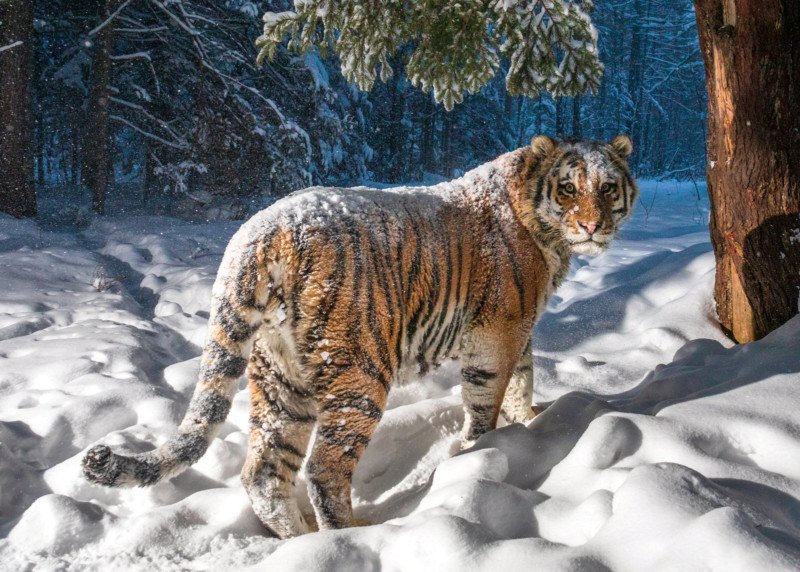
The Siberian tiger or Amur tiger is a population of the tiger subspecies Panthera tigris tigris native to the Russian Far East, Northeast China[1] and possibly North Korea.[2] It once ranged throughout the Korean Peninsula, but currently inhabits mainly the Sikhote-Alin mountain region in southwest Primorye Province in the Russian Far East. In 2005, there were 331–393 adult and subadult Siberian tigers in this region, with a breeding adult population of about 250 individuals. The population had been stable for more than a decade because of intensive conservation efforts, but partial surveys conducted after 2005 indicate that the Russian tiger population was declining.[3] An initial census held in 2015 indicated that the Siberian tiger population had increased to 480–540 individuals in the Russian Far East, including 100 cubs.[4][5] This was followed up by a more detailed census which revealed there was a total population of 562 wild Siberian tigers in Russia.[6] As of 2014, about 35 individuals were estimated to range in the international border area between Russia and China.[7]
Visayan spotted deer

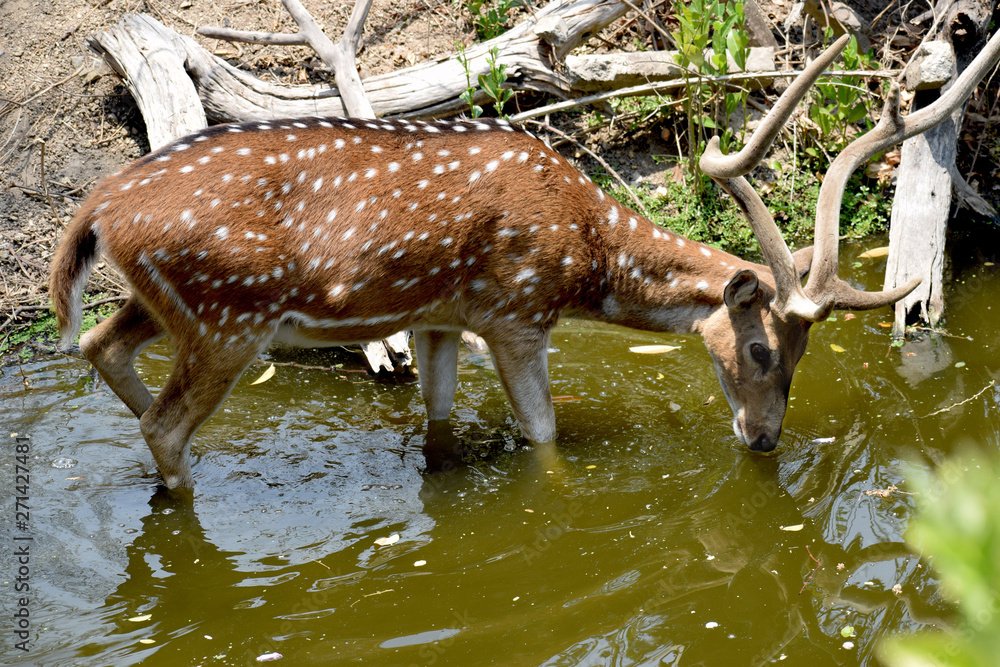
The Visayan spotted deer (Rusa alfredi), also known as the Visayan deer, the Philippine spotted deer[3] or Prince Alfred’s deer, is a nocturnal and endangered species of deer located primarily in the rainforests of the Visayan islands of Panay and Negros though it once roamed other islands such as Cebu, Guimaras, Leyte, Masbate, and Samar. It is one of three endemic deer species in the Philippines, although it was not recognized as a separate species until 1983. An estimated 2,500 mature individuals survived worldwide as of 1996, according to the IUCN, although it is uncertain of how many of them still survive in the wild. The diet of the deer, which consists of a variety of different types of grasses, leaves, and buds within the forest, is the primary indicator of its habitat. Since 1991 the range of the species has severely decreased and is now almost co-extensive with that of the Visayan warty pig.

Indian peafowl

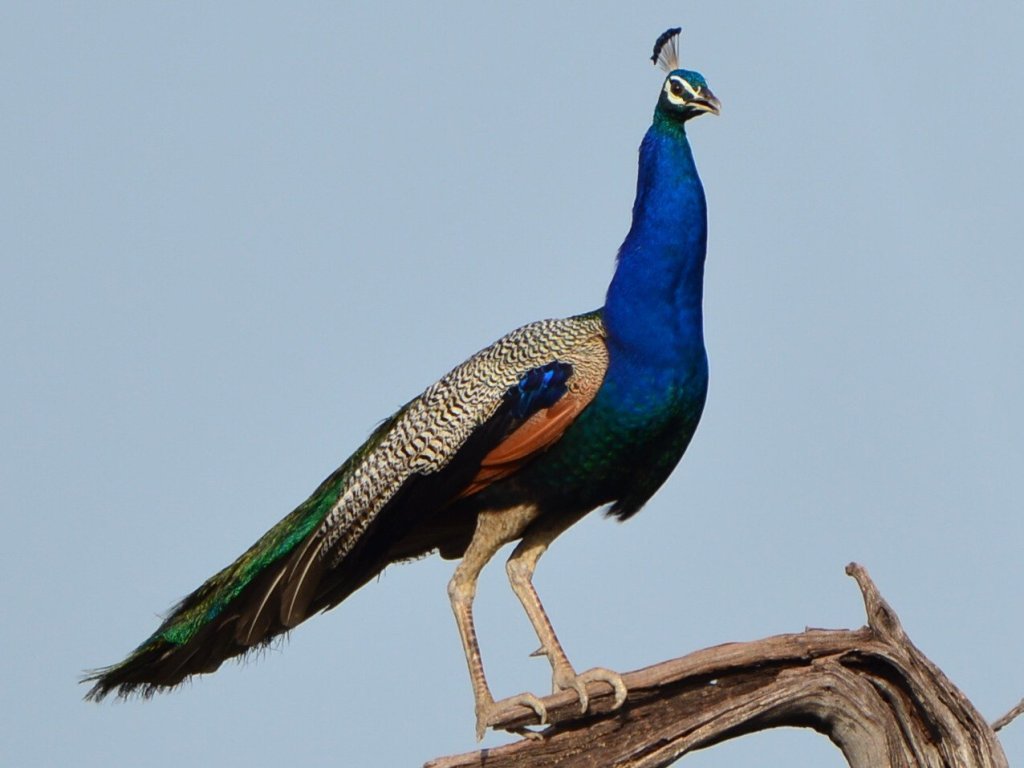
The Indian peafowl is the oldest ornamental bird recorded in history, dating back to the 10th-century B.C.E. Often argued who first exported the peafowl from their native lands of Asia, King Soloman of Israel and Judah during 1000B.C.E is among the first to own these exotic birds. Peafowl were transported to temples and palaces across the Mediterranean by Phoenician traders, including to the pharaohs of ancient Egypt.[1] When the peafowl arrived in Greece, they were viewed as curiosities and initially kept in a private zoo on Samos island. By the 4th century B.C.E., owning peafowl was a common luxury in Greece and Rome, used for decoration and meat among the ruling class.

India peafowl

The Indian peafowl is the oldest ornamental bird recorded in history, dating back to the 10th-century B.C.E. Often argued who first exported the peafowl from their native lands of Asia, King Soloman of Israel and Judah during 1000B.C.E is among the first to own these exotic birds. Peafowl were transported to temples and palaces across the Mediterranean by Phoenician traders, including to the pharaohs of ancient Egypt.[1] When the peafowl arrived in Greece, they were viewed as curiosities and initially kept in a private zoo on Samos island. By the 4th century B.C.E., owning peafowl was a common luxury in Greece and Rome, used for decoration and meat among the ruling class.

Serengeti national park kenya (June 8 2022)


Serengeti National Park
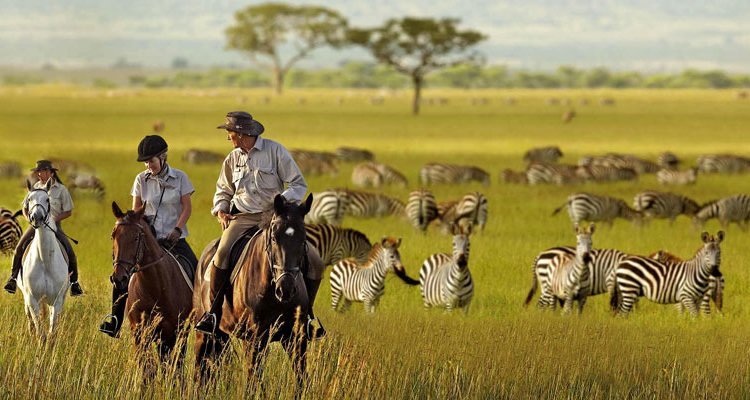
Serengeti National Park; With its natural beauty and the scientific value, Serengeti national park is known for having the greatest concentration of wild savannah plains game in Africa with a unique range of its residents including lions, cheetahs, elephants, giraffes and many bird species among others. It is the best wildlife sanctuary in the whole wild with quite a vast land for the animals to mate and multiply in number for sustainability and nature conservation.
Serengeti national park, sits on a land of over 14750sq.km in the north eastern side of Tanzania, close to the Kenyan border. Serengeti national park is found in Serengeti ecosystem which covers mara and simiyo regions. Before the Tanzanian independence of 1959, Serengeti national park included the ngorongoro conservation area; however, it was trimmed after the independence of Tanzania.
Serengeti national park is a renowned area on the world map where the massive migration of wildebeests and zebras takes place. Large herds of herbivores move north wards of Serengeti national park from their breeding area in the southern side of the park, looking for pasture and water and pasture during the dry season. This migration is done annually ant it attracts a lot of tourists from all over the world, it also feature in the programs on the national geographic channel. WELCOME KENYA🤝